


The evolution of casinos a journey through time and culture
The Origins of Gambling and Early Casino Concepts
The concept of gambling dates back to ancient civilizations, where games of chance were played for enjoyment and profit. Archaeological evidence suggests that as early as 3000 B.C., the Chinese were engaging in dice games, a precursor to modern gambling. Similarly, the Greeks and Romans had their own forms of gaming, often associated with social gatherings. These early iterations set the stage for more organized gambling practices, eventually evolving into the casinos we know today. Today, players can explore new bonuses and promotions at online platforms like https://lippybingocasino.co.uk/bonus/, enhancing their gaming experience.
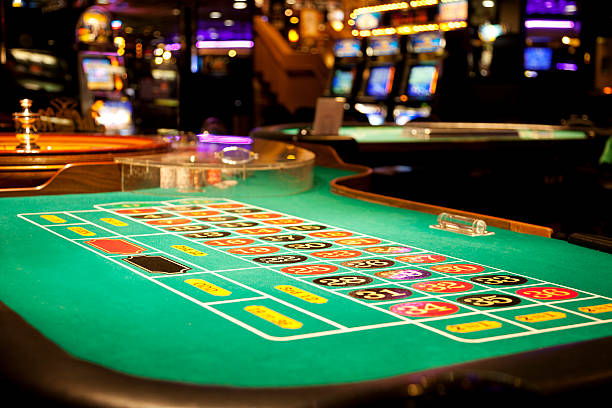
The first establishments that resembled modern casinos began emerging in the 17th century in Europe. The Ridotto in Venice, established in 1638, was one of the first licensed gaming houses, offering games of chance in a controlled environment. This move toward regulation indicated society’s acceptance of gambling as a legitimate form of entertainment, paving the way for more structured casino operations across Europe. These establishments were often luxurious, reflecting the high status of gaming among the elite.
As gambling spread throughout Europe, it adapted to different cultural norms and practices. In France, the term “casino” originated from the word “casa,” meaning house. French casinos introduced roulette and other games that became staples in the gambling world. By the 19th century, gaming houses flourished in cities like Monte Carlo, further embedding casinos into the fabric of European culture. This period marked a significant transition from informal games to structured establishments designed to captivate and engage a diverse clientele.
The Rise of American Casinos
The history of casinos in America is deeply intertwined with the nation’s early history. With the westward expansion in the 19th century, gambling became prevalent in frontier towns as a means of entertainment and social engagement. However, it was in the early 20th century that organized gambling truly began to take shape, particularly in cities like Las Vegas, which transformed from a modest railroad town into a gambling mecca by the mid-1900s.
The legalization of gambling in Nevada in 1931 was a game-changer. Las Vegas quickly became synonymous with casinos, characterized by grandiose hotels and opulent gaming floors. Iconic establishments like the Flamingo and the Sands were among the first to attract a glamorous clientele, combining luxury with the thrill of gambling. This period also saw the emergence of organized crime’s influence, as various syndicates sought to profit from the lucrative gambling industry.
As the American casino landscape evolved, technological advancements began to reshape the gaming experience. The introduction of slot machines in the 1930s revolutionized how games were played and experienced. By the latter half of the 20th century, the gaming industry had expanded beyond Nevada, with states like Atlantic City legalizing casinos to boost their economies. This expansion laid the groundwork for the diverse gaming landscape we see today, with various styles and themes catering to different audiences.
The Global Expansion of Casinos
The latter half of the 20th century saw a significant transformation in the casino industry, with many countries around the globe embracing legalized gambling. From the Caribbean to Asia, casinos have become a vital part of local economies and tourism. The transformation of Macau into a gambling hub rivaling Las Vegas exemplifies this global trend. With lavish resorts and vast gaming spaces, Macau has attracted high-rollers from around the world, becoming the world’s largest gambling market.
As casinos proliferated worldwide, they began to reflect the unique cultures and traditions of their respective regions. In countries like Singapore, the government has strategically placed casinos as part of integrated resorts that combine gaming with luxury accommodations and entertainment. This model not only provides economic benefits but also enhances the cultural landscape, as casinos become more than just gambling venues; they evolve into comprehensive entertainment complexes.
The globalization of casinos has also led to a burgeoning online gambling industry. With advancements in technology, players can now enjoy casino games from the comfort of their homes. The rise of online casinos has democratized access to gambling, allowing a broader audience to engage with various games and betting opportunities. This transition signifies a cultural shift, where traditional gambling practices are being redefined in the digital age.
The Role of Casino Loyalty Programs
As the casino industry evolved, so did the strategies employed to attract and retain customers. One of the most effective methods has been the development of loyalty programs. These programs reward players for their patronage, offering various incentives such as points redeemable for cash, free meals, or exclusive access to events. The concept of loyalty in the casino context is designed to enhance player experience while simultaneously ensuring a stable revenue stream for the establishment.
Casino loyalty programs have become increasingly sophisticated, utilizing technology to track player behavior and preferences. Players often receive personalized offers based on their gaming habits, enhancing engagement and satisfaction. The more a player gambles, the more rewards they accrue, creating a cyclical effect that encourages continued play. This not only fosters a sense of belonging but also builds community among players, who share their experiences and benefits.
Furthermore, loyalty programs have been instrumental in differentiating casinos from one another. In a competitive market, these programs become a crucial selling point for attracting both new and returning players. By providing exceptional rewards and exclusive experiences, casinos can establish a loyal customer base, thus enhancing their reputation and profitability in a rapidly evolving industry.

Exploring Lippy Bingo Casino
Lippy Bingo Casino is a prime example of how modern online platforms are adapting to the evolving landscape of gaming. With a focus on user engagement, Lippy Bingo offers enticing promotions such as no-deposit bonuses and free spins, allowing players to explore its diverse array of games while minimizing financial risk. The platform embodies the spirit of contemporary casinos, blending traditional gaming elements with innovative features to enhance player experience.
The user-friendly design of Lippy Bingo ensures seamless navigation, allowing players to easily access stunning slots and live games. This accessibility is a vital aspect of modern online gaming, where convenience and enjoyment are paramount. With a vibrant community and a commitment to rewarding players, Lippy Bingo Casino enhances the gaming experience, ensuring both newcomers and seasoned players feel engaged and valued.
As online gaming continues to grow, Lippy Bingo stands at the forefront of this evolution, exemplifying how casinos can adapt to meet the needs and preferences of a modern audience. By prioritizing user engagement and offering innovative rewards, Lippy Bingo Casino embodies the future of gaming, where technology and culture intersect to create memorable experiences for players around the globe.


